 I recently took an online course called “Awakening Joy.” It was quite good, maybe even as good as my own online course called “Deeper Happiness.”(Of course, it did cost five times as much as my course!) Even though it was expensive, it was worth it to me because I learned something valuable. What I learned from this course was really just one new thing — which I plan to share with you in a moment. Yet, even if you learn just one new thing from a course or a workshop, it is still very much worth it. After all, that one new “thing” will potentially be able to affect you for the rest of your life. If something you learn ends up having practical value to you for the rest of your life, then its value is priceless.
What I learned from the Awakening Joy course was the importance of allowing time for positive moments in one’s life. Being that I am a so-called “happiness expert,” I already knew the importance of allowing time for positive feelings. Yet, as I watched myself throughout the day, I noticed something interesting. In the midst of sweet moments or intimate moments with a friend—or simply moments of deep peace—I would often think of what I have to do next on my “to do” list. Then, I would curtail my joyful experience and do whatever I felt compelled to do. After watching this a few times, I realized I was ripping myself off from experiencing more truly joyful moments.
 For example, today I was playing with my dog and we were both having a great time. Then, when she was done with playing, she came over to cuddle with me in my lap. We cuddled for a moment, and I enjoyed the feeling of petting her and feeling my deep love for her. Then after a minute, I had the thought, “What do I need to do next?” Of course, my “list” is never done, so there were plenty of things to do, but why did I need to curtail such a sweet moment so quickly? In fact, I did not have to, but I realized I have been trained by our culture to always be productive—even at the expense of hanging out with more moments of love, intimacy, and joy. Can you relate to this?
Author Gay Hendricks calls this phenomenon the “Upper Limit Problem”
When we are feeling good, we often will stop what we are feeling and look for some problem or distraction to occupy our mind and emotions. It is as if we have an internal thermostat ready to kick in with negativity or worry anytime our internal temperature (positive feelings) get too high. As a psychotherapist, I have noticed this phenomenon in couples that sabotage a relationship when it is going really well, or people who sabotage a business just when they are starting to make a lot of money. Yet, once I saw how it manifested in the little moments of my daily life, I knew it was important to watch out for.
 So having seen my own tendency to start thinking of my “to do” list in the midst of positive emotions, I have taken steps to go against it. Nowadays, when I see that I am curtailing a sweet and/or intimate moment, I try instead to stay with my positive experience. I take a deep breath and remind myself; nothing is more important than joyful moments. I attempt to “hang out” with such feelings until they naturally drift away.
This simple little practice has added immensely to the quantity of joyful moments I have in my life. If you can relate to my experience, then I challenge you to allow more time for your own positive feelings. Notice what you do to curtail such moments, and once you “catch” yourself in the act, take a deep breath and allow yourself to simply BE. Your partner, your pets, and your joyful heart will thank me…
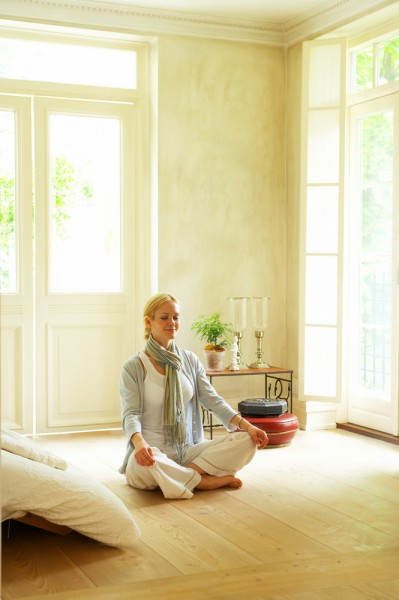 When clients come into my office, they describe many types of problems. Yet, whatever their situation, they almost always complain that they feel stuck in feelings of anger, sadness, fear or hurt. In order to help my clients, I teach them something called The Sensation Meditation (SM). This meditation guides people to focus on their negative feelings in a specific manner. By helping people fully feel their emotions without distraction, this meditation helps people move through “stuck” feelings into a place of healing. When people finish using this simple three minute technique, they frequently report that their negative feelings have vanished, and that their body feels relaxed, peaceful, and at ease.
 When you were a child, your parents most likely rewarded you on a fairly regular basis. Perhaps they told you how pretty you were, or bought you an ice cream cone as a reward for cleaning the yard. However they did it, the rewards you received helped guide you, and made you feel loved. Unfortunately, once you left your parent’s home, there was probably no one around to play the role of encourager and guide for you. The truth is–if you don’t do it for yourself, it probably won’t get done. As adults, we need to learn how to give ourselves rewards so we can be encouraged to move in a positive direction. However, most adults either give themselves indulgences all the time, or they almost never do. By learning the art of giving ourselves rewards at appropriate times, we can come to benefit from this powerful tool.
  You are living in a dangerous cult. I mean it. Of course, like most people in cults, you don’t think it’s dangerous—or that it’s even a cult. This “cult” that you (and I) are living in is the hyper capitalist economic system of modern day life.
 happiness that we are all on, you can’t assume anything that you’ve heard. Unfortunately, our culture is constantly pushing its ideas about finding the “good life” onto us, and that brainwashing does not necessarily have anything to do with being happy. After all, does Donald Trump look joyous to you? In the last twenty years, the average GDP of Chinese citizens has gone up 400%, and yet their average level of happiness has actually gone down.
 Here’s just one example. Highly contented people tend to schedule time each week for activities they truly enjoy. On the other hand, unhappy people tend to make excuses as to why they don’t have time for what they really like to do. Here’s another example. Happy people make being with friends and enjoying life a central priority in their life, whereas less contented folks make things like making money their main priority.
 that the American Dream is actually a repetitive, busy, and not too unpleasant nightmare. I soon realized that always striving for more, always being busy, and constantly competing for recognition was not a path to greater peace of mind. As I began to see through the brainwashing of Western culture, I began to notice what really made me happy. What really made me happy wasn’t having bouncy hair, a big house, or a Mercedes. It ends up it was little moments of depth and joy I could find in everyday life. Nowadays, I spend more time playing with my dog, watching sunsets, hanging out with my friends, reading great books, and meditating.